
Disclaimer: Results May Vary
Some people experience oppression and then they grow to detest it, dedicate their lives to put an end to it, they fight it at every turn and in whatever form it may appear, whenever it may appear, while some other people experience the same oppression but only loathe being oppressed, they yearn for the power their oppressors wield so that they too, can oppress others, they grow to protect oppression wherever they may find it, in the hopes that they may one day profit off it. How is it that the exact same situation can birth two opposite responses from people? And also, which one of these people do you think you are?
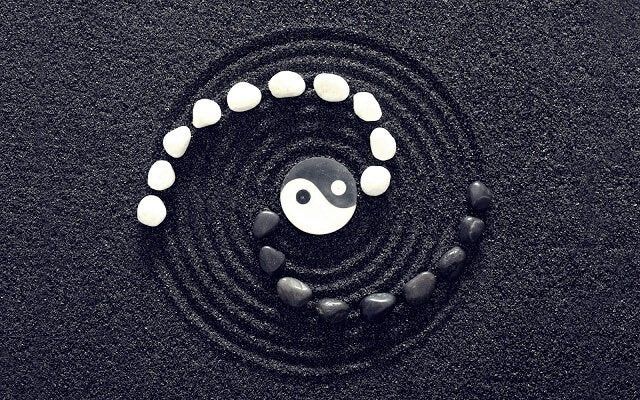
SoToday, we’ll be discussing about how identical events can trigger such distinct responses in people. We observe this duality of results everyday, from secondary school seniors who, either can’t wait for their turn to punish juniors or swear off the abuse entirely, to everyday citizens, who either look forward to eating from the national cake or utilising public funds for their intended purposes. I could state a million examples, it happens everyday, human beings are complex, this is why fields like economics and sociology are called social sciences and not pure sciences, because you can’t get the same result every time when you’re working with people, simply put, people are unpredictable.
While surviving an accident might prove to you that God is watching over you, getting into the accident in the first place might be proof to someone else that he isn’t, same event, different result. While this is a cool thing to know, you might wonder if it matters at all, I did too, and it made me ask a different question. If the same event can have varying effects on different people, then does that mean it’s illogical to blame or credit our past experiences for the people we are today. I mean if the same tragic event that made person A want to become a police officer, conversely made person B decide to become a professional criminal, then can we truly say it was the event that shaped their paths in life? or was it all their own doing? Their own choices. There is an argument that people are naturally inclined to either good, evil or neither. This natural affiliation may influence, and thus explain their decisions in the aftermath of such events. I think people may be naturally inclined to good, and you can read how i came to that conclusion here: Inherent Goodness: the justification factor.
This effect is prominent is the Abrahamic religions, people read the same holy books but come to different conclusions, ever so often there is disagreement between sects within the same religions, emanating off the same scripture that sometimes consists of very simple words. This is why in every Time-Travel story ever told, the protagonists are always warned not to interfere with the past, because there’s really no telling how the tiniest events will influence people, to do things differently, this possibility is called the “butterfly effect”. It details how an event as miniscule as a butterfly flapping it’s wings, could lead to a world war, but that’s a topic for another day. If you’re a fan of Time-Travel, you can read my short story, Diamonds.
So, why we are like this I don’t know. As usual, I don’t have the answers, my goal is only to make you want to find the answers, to inspire Google searches, to make you think, to make you long for answers, to search for them, but not to give them to you.
Where do you fit in with our oppression example? what kind of “senior” were you in secondary school? Do you think people have a natural affiliation and are predisposed to react a certain way? Or would you like to add something new to our discussion? Leave a comment below if you have any thoughts on the matter. Thank you for reading.


[…] Bad decisions often come from good intentions, so I don’t doubt for a second that parents like the one in our example really do love and want the best for their kids. They want their kids to be “somebody” in the future and so they utilise unsavoury methods in their quest to achieve this goal. Very often there are debates on social media on the effectiveness and ethics of physical discipline; many people who had abusive childhoods speak up against it and vow to treat their kids differently, while many others with the same experiences swear that they turned out just fine and will raise their kids the exact same way their parents raised them. This post isn’t about that argument, but it is related to it, because in these debates many people on both sides, for different reasons, sometimes tell stories about how their parents treated them, abused them, and hurt them. I find it fascinating how these two very different viewpoints can emanate from the same source, so much so that I wrote about the general phenomenon, I named it The Duality effect. […]
LikeLike